Dunellen General Contractor for Residential Renovation and Remodeling
Dunellen General Contractor for Residential Renovation and Remodeling
Blog Article
Why Picking the Correct General Contractor Is Vital for Your Project
Choosing the right construction professional is a crucial choice that can significantly influence a project's outcome. A suitable contractor ensures effective oversight and compliance to budgets. Their capacity to navigate obstacles and maintain clear communication is vital. However, many project stakeholders overlook critical factors in this hiring procedure. Understanding these components can lead to better results and increased satisfaction. What should one evaluate when making this important choice?
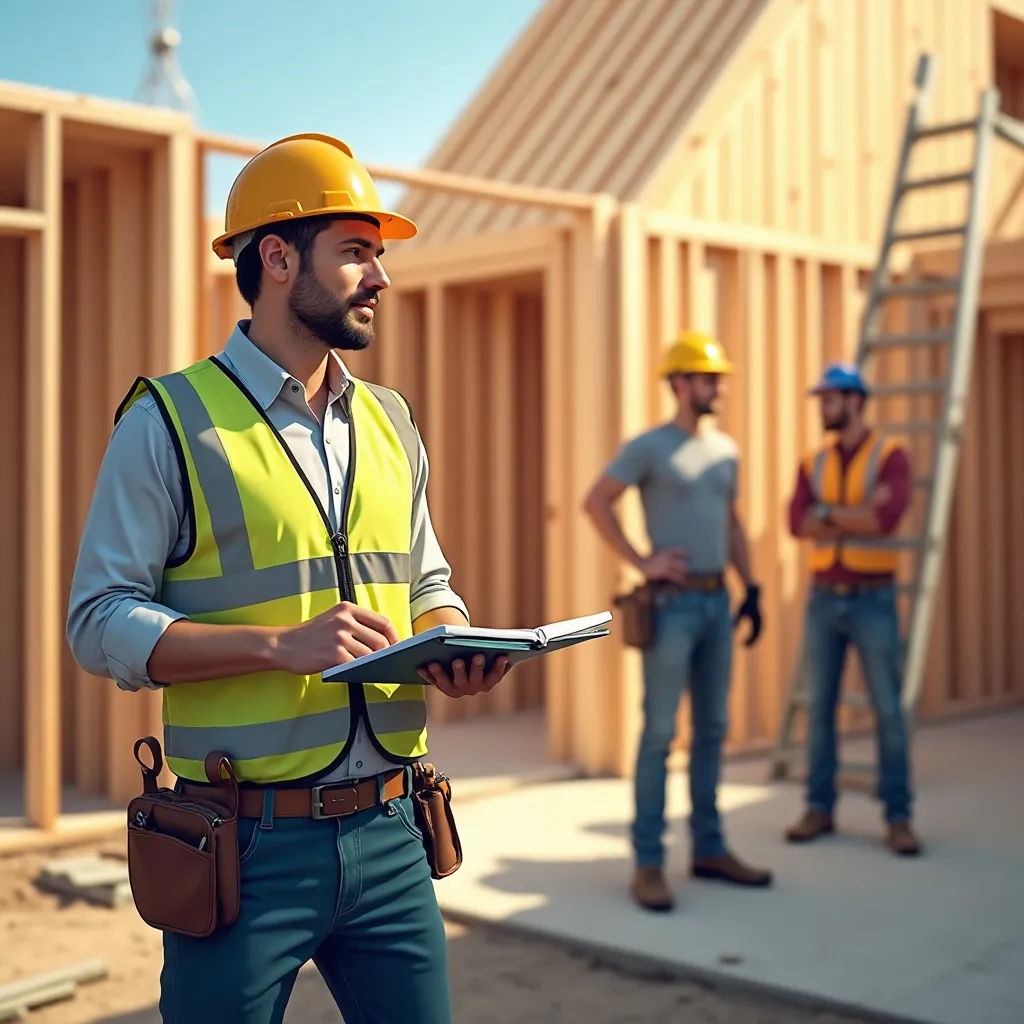
Frequent Hurdles in Selecting a General Construction Expert
When choosing a construction contractor, prospective customers often face numerous typical difficulties that can hinder the selection process. One significant hurdle is the overwhelming number of options available, which can lead to uncertainty and hesitation. Clients may find it hard to distinguish among contractors based on qualifications, experience, and pricing, rendering it challenging to identify who will best meet their project needs.
One issue is the lack of transparency in contractor estimates, where undisclosed charges may appear later, altering the project spending. Moreover, clients may face challenges surrounding communication; some contractors may neglect to maintain client awareness during the process, generating frustration. Ultimately, clients often contend with verifying a contractor's track record and past work, which can create ambiguity regarding the standard of service provided. These complications demand careful consideration and due diligence to assure the appropriate selection is made.
Importance of a Trustworthy Construction Professional
A reliable general contractor plays a crucial role in guaranteeing project management efficiency and maintaining quality assurance standards. Their expertise helps improve processes, reducing delays and expenses. Additionally, a dependable contractor upholds excellence, resulting in excellent construction work and client contentment.
Improve Work Administration Effectiveness
Effective project coordination rests on the reliability of a general contractor. A trustworthy contractor guarantees that timelines are met, resources are allocated properly, and communication flows seamlessly among all stakeholders. Their competence in managing subcontractors, suppliers, and laborers has a direct effect on the progress and overall success of the project. A dependable contractor foresees challenges, applies solutions quickly, and remains focused on project goals, reducing delays and cost overruns. This efficiency promotes teamwork, facilitating changes and enhancements as needed. Ultimately, the general contractor's dependability boosts both the operational aspects of the project and the confidence among clients and team members, making sure everyone is aligned toward a successful outcome.
Quality Assurance Protocols
Dependable builders play a pivotal role in upholding quality assurance standards during the entire project. They guarantee that every task meets established guidelines and industry best practices, which is essential to the durability and safety of the structure. A competent contractor holds strict oversight over materials and workmanship, conducting regular inspections to detect and correct problems quickly. This proactive approach minimizes risks linked to inferior construction, ultimately safeguarding the investment. Furthermore, a reliable contractor facilitates communication among all stakeholders, guaranteeing clear and fulfilled expectations. By focusing on quality assurance, a skilled general contractor not only improves the end product but also builds trust with clients, laying the groundwork for successful project results.
Evaluating a Contractor's Background and Track Record
When selecting a general building professional, understanding their experience and standing is critical, as these components profoundly affect project results. A contractor's experience generally reflects their ability to oversee diverse project types, complications, and difficulties. Assessing their work history offers insight into past projects, demonstrating workmanship quality and meticulous attention to specifics.
Furthermore, track record plays a crucial role in building trust. Prospective clients should look for web-based feedback, testimonials, and references to assess satisfaction levels from previous clients. Engaging with past customers can reveal the contractor's reliability, communication skills, and compliance with timelines and budgets.
Moreover, industry affiliations and certifications can improve a contractor's credibility, indicating a commitment to excellence and moral practices. By carefully assessing both experience and reputation, clients can choose wisely, ultimately laying the groundwork for a successful construction project.
Vital Characteristics of a Honest Contractor
A reliable contractor regularly exhibits honesty, openness, and excellent communication skills. These vital qualities create the basis of a successful working relationship. Honesty guarantees the contractor adheres to ethical further information practices, providing truthful evaluations and practical timelines. Openness involves fully disclosing assignment information, encompassing costs and potential challenges, fostering trust between the contractor and the client.
Robust interpersonal skills enable the contractor to efficiently convey ideas, understand client needs, and promptly address any issues that occur during the project. Additionally, a dependable contractor showcases adaptability, responding to changes and unexpected circumstances with flexibility and composure. Attention to detail is an additional key trait; it reflects a commitment to quality and accuracy in every aspect of the work. Ultimately, these characteristics not only enhance project outcomes but also contribute to a positive interaction for clients, making the selection of a reliable contractor all the more vital.
Important Queries for Bringing On Your General Contractor?
How can a person guarantee they select the best general contractor for their project? By posing a series of specific questions, potential clients can better assess candidates. First, asking about the contractor's experience with comparable work provides insight into their expertise. It's also vital to request for references; speaking with previous clients can uncover the contractor's dependability and work quality.
Next, discussing licensing and insurance verifies that the contractor satisfies legal requirements and protects the client from possible liabilities. Clients should also ask regarding timelines and project management strategies to assess how the contractor intends to manage the project effectively.
Budget meetings are crucial; asking for a thorough estimate helps avoid surprise costs later. Finally, understanding the contractor's communication style preferences can set the groundwork for a successful partnership. By tackling these key questions, clients can choose wisely in choosing their general contractor.
The Importance of Communication With Your Contractor
Effective communication with a contractor is essential for undertaking accomplishment. Defining unambiguous parameters and providing timely notifications can avert misunderstandings that often lead to costly delays. Additionally, promoting an honest interaction nurtures confidence, ensuring a more seamless collaboration throughout the building undertaking.
Clear Expectations Create Success
Establishing explicit expectations is crucial for a successful partnership with a general contractor. Effective communication lays the foundation for understanding project goals, timelines, and budget constraints. When both parties communicate their needs and concerns, it lowers the risk of misunderstandings that can disrupt progress. A contractor who is aware of the specific requirements can allocate resources efficiently and address potential challenges proactively. In addition, transparency fosters accountability, ensuring that the contractor delivers on promises and that the homeowner feels involved in the process. By prioritizing open dialogue from the outset, clients can boost teamwork and satisfaction, ultimately leading to a more efficient project execution. Clear expectations not only simplify processes but also build trust between the homeowner and the contractor.
Timely Updates Avoid Misunderstandings
Setting defined parameters establishes the foundation for productive teamwork, while ongoing exchange is just as important. Regular reports from a general contractor can ward off miscommunication that may develop during a job. When construction teams consistently relay progress updates, clients remain informed on project timelines, cost changes, and potential obstacles. Such forward-thinking interaction helps align both parties' expectations and lessens the risk of disputes further down the line. Additionally, if problems arise, prompt communication allows for faster fixes, guaranteeing the work remains on track. By establishing a climate of candid dialogue, contractors demonstrate their commitment to the project's success, ultimately yielding a more streamlined workflow and greater client satisfaction. For this reason, prompt updates act as a foundational element for maintaining understanding and faith throughout the building endeavor.
Candid Interaction Generates Trust
During a undertaking's progression, sustaining an candid exchange with the general contractor becomes important for fostering trust and partnership. Clear communication guarantees that all stakeholders have a precise understanding of standards, timelines, and potential issues. When contractors and patrons engage in regular discussions, it facilitates for the spotting of issues before they escalate, minimizing setbacks. This transparency not only builds belief but also strengthens the overall project experience. Additionally, an open line of communication encourages feedback, allowing the construction expert to make refinements that align with the client's desires. Finally, strong communication forms a foundation of mutual respect, which is essential for the successful completion of any construction project. Confidence cultivated through conversation leads to better outcomes for everyone taking part.
Frequently Requested Questions
How can I confirm if a Contractor holds a License?
To verify if a contractor is registered, one should consult local official boards and digital resources, authenticate their license number, and ensure it's active. Additionally, reading online reviews can deliver perspective on their credibility and reliability.
What Protection Must My Construction Professional Possess?
A contractor should carry broad coverage protection, workers' compensation, and, if applicable, professional liability insurance. These protect against possible harm, on-the-job accidents, and mistakes in craftsmanship, ensuring monetary safeguards for both the contractor and the client.
How Do I Confirm a Contractor's Past Work?
To validate a contractor's background, one should solicit a inventory of former clients, contact them personally, and learn about their experiences. Additionally, studying online reviews and ratings can furnish important information into the contractor's credibility.
What Ought I Do if Issues Emerge During the Project?
If problems occur during the project, one should document the problems, communicate directly with the contractor, and find a solution. If necessary, bringing in a mediator or consulting a legal professional may also be suitable.
Are There Red Flags to Monitor During the Recruitment Process?
Caution signs throughout the hiring process include imprecise estimates, no references, poor communication, incomplete licenses, and adverse online reviews. These markers intimate potential issues that could impact the project's quality and timeline.
Report this page